
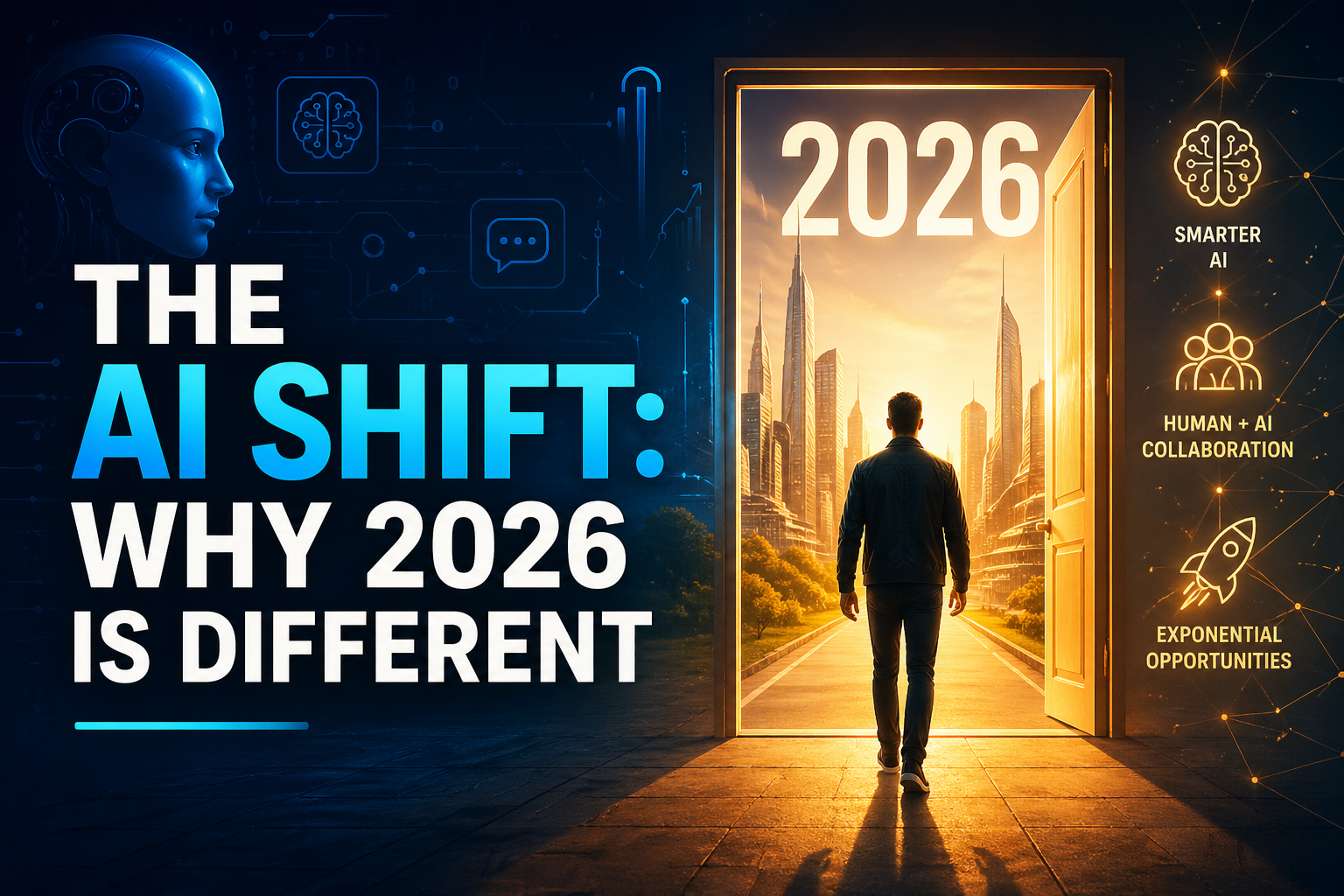
The most significant change in Meta advertising in 2026 is the platform’s embrace of AI automation. Manual, granular targeting with dozens of interest segments is no longer the most effective approach. In fact, complex audience layering often delivers worse results than letting Meta’s algorithm optimize delivery.
The Advantage+ suite is now the default operating system for Meta ads, with 65% of all advertisers already running campaigns through it. Advertisers running multiple campaigns through Advantage+ have seen a 32% decrease in Cost Per Acquisition. For local businesses, Meta’s Advantage+ for Local Settings is particularly powerful—it automatically shows ads to people currently near your shop who have a history of visiting similar local businesses. Additionally, the recently expanded Meta AI Business Assistant, integrated directly into Ads Manager, provides personalized optimization recommendations; small businesses have seen a 12% reduction in cost per result after applying its suggestions.
Hyper-Local Geo-Targeting
Master the Five-Mile Radius
Effective local targeting begins with precise geography. Rather than a single radius, savvy local businesses use layered location targeting. The most common mistake is setting a broad 25-mile radius and calling it done—this approach wastes budget on people who will never cross the psychological or geographic barriers to visit your business.
The winning strategy for 2026:
- Use zip code targeting instead of simple radius targeting. Identify the specific neighborhoods and postal codes where your actual customers live by analyzing your existing customer address data.
- Set radius as tight as 1 mile in dense urban areas where foot traffic is concentrated. For suburban or rural businesses, 5–8 km is often sufficient.
- Exclude areas separated by highways, natural barriers, or other neighborhoods with their own shopping districts.
- Test “People living in this location” versus “People recently in this location.” Service businesses often benefit from targeting residents, while retail and restaurants can capture commuters or tourists with the “recently in” option.
- Create separate ad sets for different geographic clusters, adjusting budgets and messaging based on performance.
Beyond Basic Radius: Competitor Geofencing
In 2026, sophisticated local advertisers are targeting around competitors ‘ locations. If you run a gym, you can target people within a 1 km radius of competing fitness centers. If you own a salon, you can reach users recently visiting other salons. This “geo-fencing” approach captures high-intent customers already in the market for your services.
Time and Day Scheduling
Local ads perform best when aligned with customer behavior patterns. Cafe ads should run from 7 AM to 3 PM, catching the morning coffee rush and lunch crowd. Gyms see better engagement during weekday evenings and weekend mornings. Salons should target evenings and Saturdays.
Creative That Converts Locally
In 2026, creative matters more than targeting. With Advantage+ handling much of the audience discovery, your ad assets are the primary lever for performance.
Best practices for local creative:
- Go vertical. Default to 9:16 vertical video as your primary format. Vertical video is native to Reels, Stories, and the mobile feed, and Meta’s algorithm favors formats that fit high-engagement placements. If you only produce one asset, make it 9:16.
- Show authenticity. Real staff photos, behind-the-scenes footage, and user-generated content consistently outperform polished stock photography. People want to see the faces of the trainers, stylists, or chefs they will meet.
- Lead with local cues. Mention neighborhood names in headlines (“Downtown homeowners, your roof inspection is overdue”) and feature recognizable local landmarks in creative. Hyper-local language catches the eye of residents.
- Use before/after transformations. For gyms, salons, and home services, visual proof of results is the most persuasive tool available.
- Keep it short. High-energy, short-form vertical videos that show the “vibe” of your space work better than expensive, overproduced commercials.
- Use the right CTA. For physical locations, “Get Directions” is often more effective than “Shop Now.” It opens the user’s native maps app, dramatically lowering friction between seeing an ad and arriving at your door.
Budgeting and Performance Benchmarks
Understanding realistic costs helps set appropriate budgets. In 2026, Meta advertising costs vary significantly by industry and objective:
Average benchmarks:
- Average CPC across Meta: $0.62 to $1.17
- Average CPM: $11.62 to $12.19
- Average cost per lead: $10.17 to $11.31, with wide industry variation
However, benchmarks vary dramatically by vertical: restaurants average $3.16 per lead, while dentists average $76.71—a 24x difference. Home services typically see $45–$50 per lead in 2026, up from previous years due to increasing competition.
For local businesses, a reasonable starting budget is $500–$1,500 per month. Campaigns spending less than $1,000 monthly often struggle to generate enough data for meaningful optimization. Higher-density local markets may require $2,000–$3,000 monthly to remain competitive.
Campaign Structure for Local Service Businesses
Successful local campaigns follow a clear structure that separates objectives by funnel stage:
Awareness campaigns (20–30% of budget): Use reach or video view objectives to introduce your business to new people in your area. Create 15–30 second vertical videos showcasing your space, team, and services.
Consideration campaigns (30–40% of budget): Use engagement or traffic objectives to drive interested people to your website, booking page, or offer landing page. Testimonial ads and before/after galleries work well here.
Conversion campaigns (30–50% of budget): Use leads or conversions objectives to capture contact information or direct bookings. Lead forms, click-to-call, and click-to-WhatsApp ads are highly effective for capturing ready-to-buy customers.
Follow-Up: The Overlooked ROI Driver
Research indicates that leads contacted within five minutes are 21 times more likely to convert than those contacted after 30 minutes. Many local advertisers optimize their campaigns perfectly but lose the lead at the follow-up stage. Implement an automated response system for lead forms—whether SMS, email, or CRM integration—to ensure immediate follow-up. Connect your follow-up system back to Meta via the Conversions API so the algorithm learns which leads actually convert.
Measurement That Matters
Don’t rely on platform metrics alone. Track:
- Cost per booked appointment (not just cost per lead)
- Return on ad spend measured against actual revenue from Meta-attributed customers
- Store visit attribution using Meta’s location-based measurement tools
- Year-over-year performance trends to account for seasonal fluctuations
The Meta AI Business Assistant Advantage
The recently expanded Meta AI Business Assistant, now available to advertisers globally, lives directly within Ads Manager and provides real-time optimization recommendations, performance insights, and troubleshooting support. It can analyze your campaign results, benchmark performance against industry standards, and surface opportunity scores to improve efficiency. For local businesses without dedicated media buyers, this built-in AI guidance is invaluable.
Conclusion
Meta advertising for local businesses in 2026 is fundamentally different from just two years ago. The platform has shifted decisively toward AI-driven automation, and the most successful local advertisers have adapted their strategies accordingly.
The winning playbook is clear: embrace Advantage+ instead of fighting it, target precisely using zip codes and narrow radii, create authentic vertical video creative that screams local relevance, budget appropriately for your industry and market density, follow up on leads within minutes, and use the AI Business Assistant as your daily optimization guide.
Local businesses that master this approach will not only survive the algorithmic changes—they will thrive, capturing customers who are literally just around the corner, scrolling their feeds, waiting to discover their next favorite local spot.